It Always Seems Impossible
“It always seems impossible until it is done” -Nelson Mandela.
How do you achieve greatness when the odds seem stacked against you? How do you rise above the expectations the society has for you, when you do not fit their idea of what constitutes a champion? To me, the answer lies in courage, determination, and the strength to use whatever obstacles may come your way and turn them into fuel.
This is the inspiring story of Rakib Abdul Fedha, a young man from the slums of Katwe who became the first Ugandan in history to win an international gold medal in the sports discipline of parkour.
Rakib grew up in the streets of Katwe, a highly populated slum area in Kampala, Uganda. It is also one of the most underprivileged, informal settlements in the capital. The streets are crowded. Opportunities seem to lie elsewhere. Everyone was struggling to escape the cycle of poverty, yet one child stood out
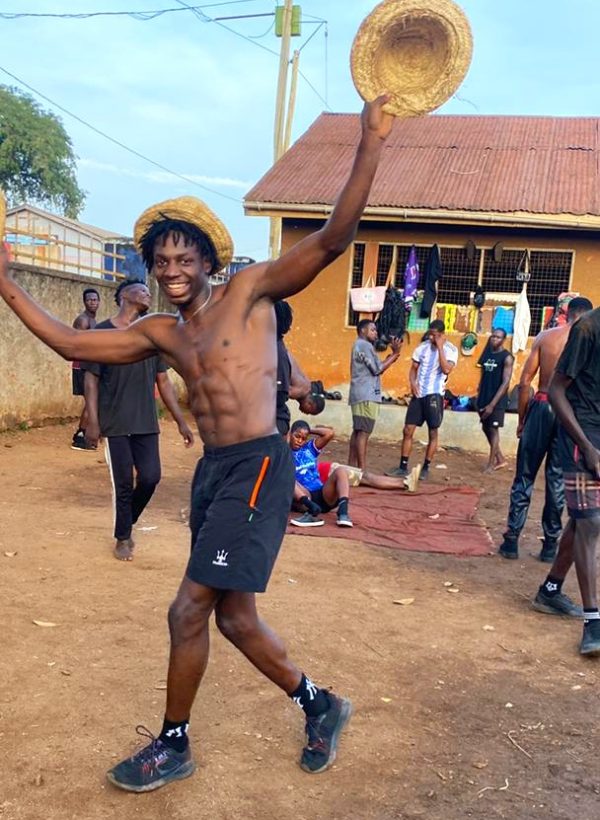
Friends and neighbours described him as energetic, dauntless and always in motion. He climbed walls, jumped over fences and ran through the busy streets. What most people would consider ordinary obstacles, Rakib saw as challenges to be conquered. Hills, gates, abandoned structures all became his playground. Without realizing it, he was already building the athletic skills that would later help shape his future.
As he grew older, he cultivated a real interest in sports. He took up breakdancing as well as football. Both activities became a place he could express his energy and creativity. His dream, like many other young people in Uganda, was to someday become one of the most famous athletes in his country. I believe breakdancing might be where he got his agility, balance and body control from. Football, on the other hand, teaches discipline and strength. However, that was not the path for him, and everything changed once he discovered parkour.
Parkour was invented in the late 1980s and is a sport that requires speed, creativity and most of all, agility. The aim is to move as fast as possible through various obstacles, using every muscle in the body. Athletes leap across gaps, climb walls, jump over barriers and much more. For Rakib, parkour felt natural, making him recall his childhood years, enthusiastically taking on any challenge the streets of Katwe had to offer. It was almost as if they had prepared him for what he was discovering.
One day, he was invited to join a small group of people who had also taken an interest in parkour. Although, unlike other sports teams with more support, they didn’t have expensive equipment, proper training ground or experienced coaches. Their environment became their training ground. Whatever obstacles they could find became their equipment. As for experienced coaches, challenging each other to the best of their abilities was more than enough. Whatever they lacked in resources, they made up for in creativity and determination.
Rakib quickly stood out. His qualities and athleticism impressed people around him. He dedicated countless hours to training and pushing his self-imposed limits even further. In parkour, the slightest mistake can result in injury. That did not stop him from training incessantly. “Each day must make me better than I was yesterday!” was the mantra that drove him forward. To him, it became more than just a sport. It became a way out! It was his way to show everyone that betting on someone from the slums was not the mistake they thought it was. It became a way to prove himself in the eyes of those who think less of someone that is different from them just because they aren’t as rich or as westernized.
His reputation grew with him in the parkour community. Eventually, at a mere 23 years old, he was selected, by the newly formed Ugandan parkour committee, to represent the country at the Bosphorus Cup in Istanbul, Turkey. For many athletes, being selected for such an event is a great achievement in itself. For someone who has had every odd stacked against him since birth, it is the opportunity of a lifetime. This was a leap to success. The young man who once trained in the busy streets of his hometown was preparing to face skilled athletes from all over the world. He would compete on an international stage.
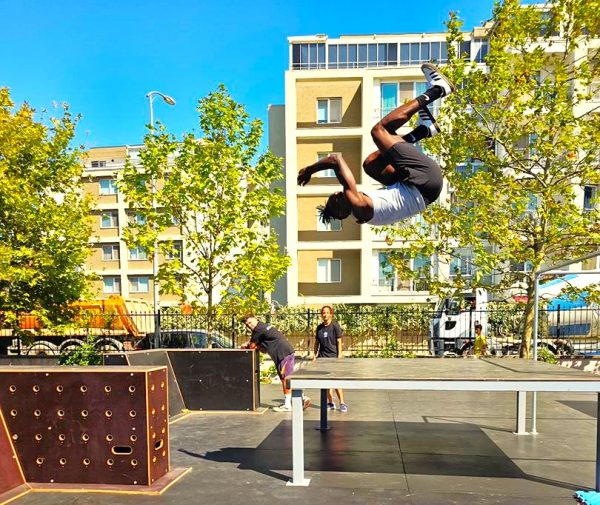
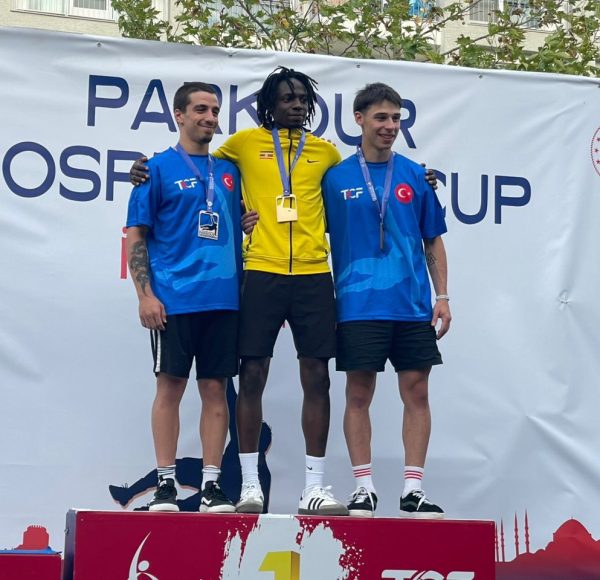
Rakib was not just representing himself. He was carrying the weight of representing Uganda as well as the many children who had been told their dream was impossible because of where they came from. At the competition, Rakib faced a Turkish athlete named Baris Karaduman, in the men’s speed run category. Competing against someone as determined and representing the country where the event was taking place must have felt like David facing Goliath.
High walls, thin obstacles to land on, difficult jumps to make, he soared through it all. So much so that his competitor struggled to follow his rhythm, let alone catch up to him. Every move was a reflection of the intense training he had gone through. It was the fruit of the steely determination that he had forged in the face of excruciating adversity.
He finished the race and waited for the results. Just 3.2 seconds. That was the gap between failure and success. Between going back home with nothing to show for the years he had sacrificed in training and going home a champion.
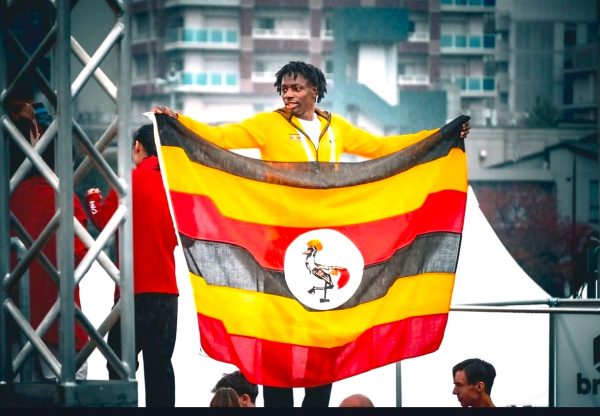
He won the gold medal with a dashing 24.21 seconds against 27.41 seconds for his competitor. Against all odds, the young man from Katwe had made it. He made history by becoming the first ever Ugandan to win a gold medal in parkour on an international stage. He stood on the podium, with the quiet knowledge that it wasn’t only his victory. It was a victory for Uganda.
Communities like Katwe are often represented by the media only through poverty, violence and a soft undertone of being “less than”. It is rare that they speak about the talent, resilience, creativity and potential that resides there as well. This victory was a challenge to those stereotypes. This was a way to show that greatness can rise from places society often overlooks.
When asked how she felt about her son winning this competition, the answer Rakib’s mother gave was filled with emotion. “I feel like a mother. I am so proud of him.” she said. “Neither I nor my family are surprised” she added. “He always showed promise and has always been very determined and full of passion. Even in the tougher times.” She always believed that he was destined for something greater. Raki showed that no matter what, he always had people there to support him and to believe in his potential success.
When he returned home, he quickly realized that his life had changed for good. People stopped him in the street for a picture, children looked up to him as a role model. His story spread through the community and inspired many. Soon, he gained the nickname of “Raki Star”. An echo to the hope he brought back with him to his hometown. Today, his nickname is painted on the walls of the town he grew up in, connecting his success to the community that shaped him. Those same walls tell the broader story of Katwe. They are covered in colourful paintings, each holding a deeper meaning. Two little girls with wide eyes, representing the many orphans who roam the streets. Many hands holding each other, representing the everlasting solidarity. These paintings reflect both the pain and resilience of the community. Despite hardship, Katwe remains filled with people who continue fighting for a better future.²
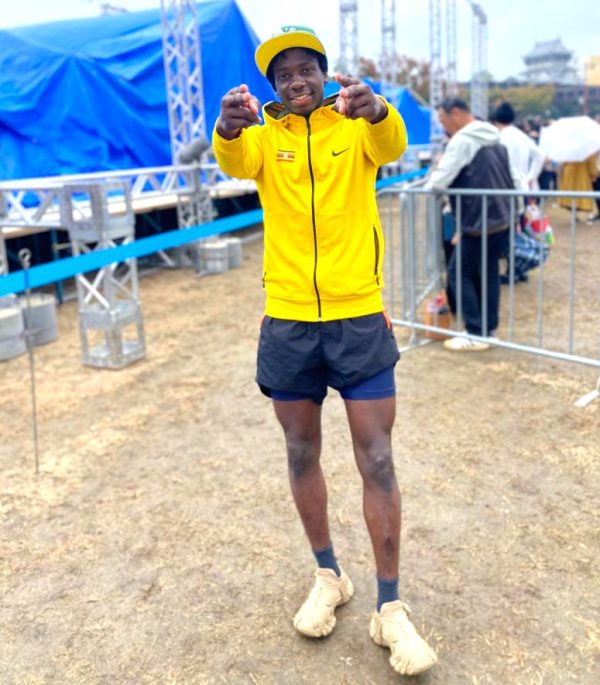
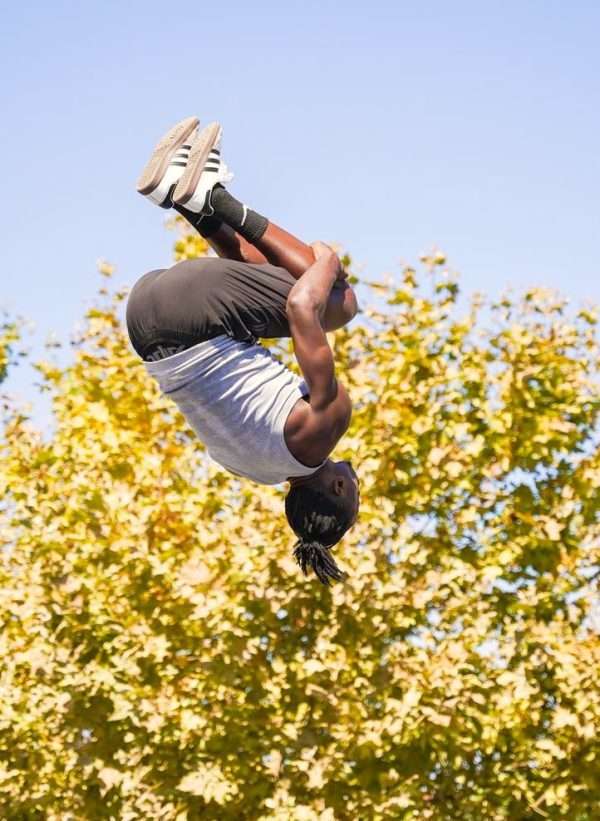
Rakib’s story has now become part of that narrative story. While some athletes grow up with opportunities handed to them and with easy access to equipment and coaching, others have to build their dream from scratch. His success also highlights the growing importance of sports in Uganda and across Africa. Sports can provide discipline and opportunity for people who need it when it seems unreachable. It can bring a real sense of belonging and hope.
Even with this victory, Rakib’s journey is far from over. While it is already a major achievement, it has also opened up doors for him as well as for future generations who can now benefit from knowing it is possible to make it, and they could become champions themselves. This might be the most inspiring part of this story. One person’s courage can inspire an entire generation and change the course of their life.
Nelson Mandela once said, “It always seems impossible until it is done.” This captures Rakib’s story perfectly. He graduated from climbing random obstacles in the slums of Katwe to standing victorious on a podium in Istanbul. His life proves that no matter where you come from, a dream can be achieved if you work hard enough for it.
He did not let poverty or the way society viewed him define where he was going. He did not allow his lack of resources to stop him. He turned obstacles into stepping stones. His gold medal represents not only that but also hope for every young person in Katwe. It is the quest of each resident of Katwe to make it beyond the limits that stereotypes set for them.
Today, somewhere in Katwe is an energetic child running through the busy streets, climbing over fences, with blatant disregard of being stopped by limitations of his social or economic conditions ever crossing his mind. FAMMI helps identify and nurture those young men and women who believe “It always seems impossible until its done!”
About the Author
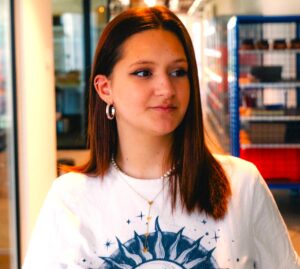
Victoria (20 years old) is studying communication in Liège, Belgium. She started her writing journey young, mainly through stories and songwriting. She has a passion for music. Her creativity grew more detail-oriented with the years and she is now working with a record label named “Ana Creatives” to pursue music, while actively pursuing her bachelor’s degree. Her writing skills also allowed her to win first place at the Euregio young writers contest in 2024. Her music is available on all streaming platforms. Her writing is available HERE.